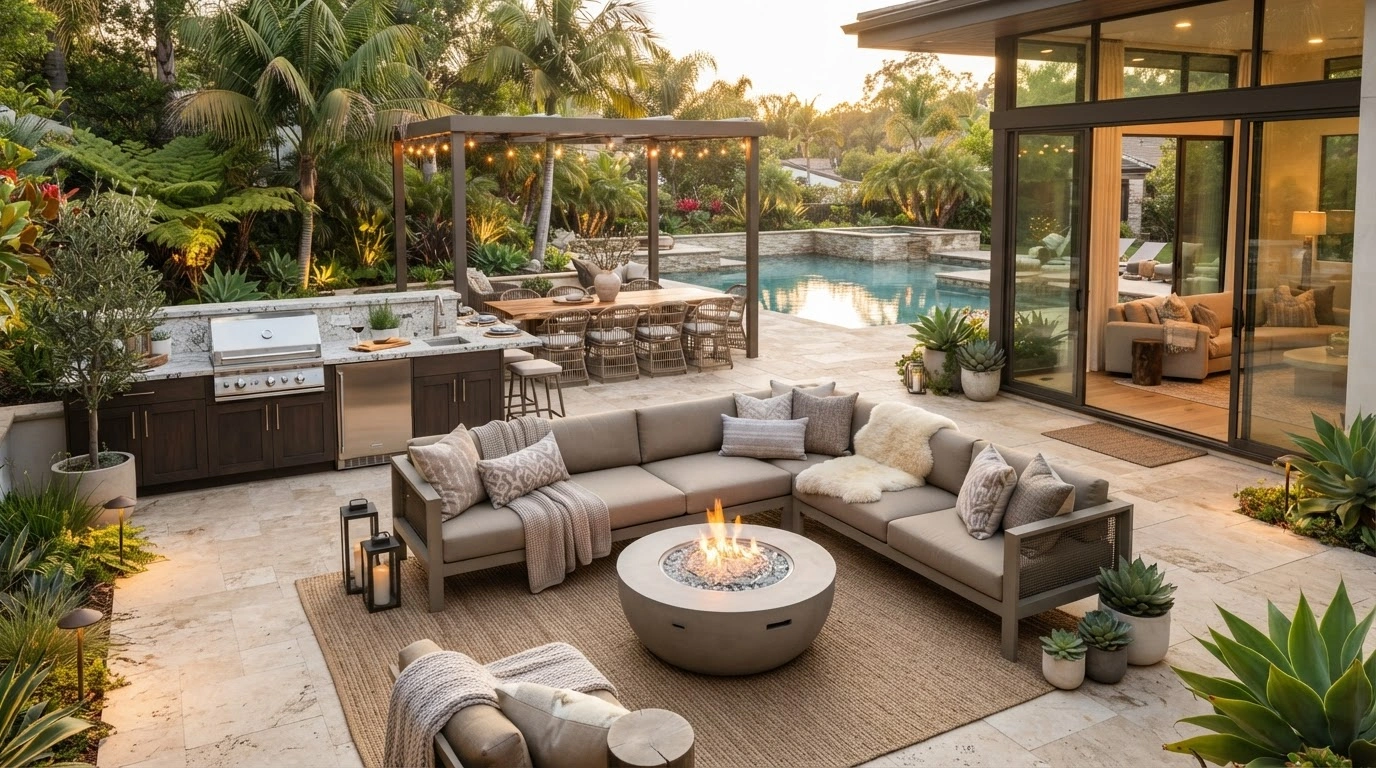
A backyard can look beautiful from the kitchen window and still be one of the least-used parts of a home. Uneven ground, uncomfortable seating, poor lighting, and a lack of shade can turn an otherwise attractive outdoor space into somewhere nobody wants to spend time.
Homeowners often respond by purchasing new furniture or adding decorative plants. While these changes can improve appearance, they rarely address the underlying problems that make outdoor areas inconvenient.
Thoughtful home upgrades can transform neglected yards into practical extensions of indoor living spaces. The secret is choosing improvements that suit the property's layout, the local climate, and the household's daily habits.
From better outdoor structures to improved lighting and landscaping, the right changes can make a backyard more comfortable without turning the renovation into an unnecessarily expensive project.
Create an Outdoor Living Area That Fits Your Lifestyle
An outdoor space becomes more useful when its design reflects how people actually spend their time.
A family that enjoys weekend barbecues may need room for dining and food preparation, while homeowners who prefer quiet evenings might prioritize comfortable seating and privacy.
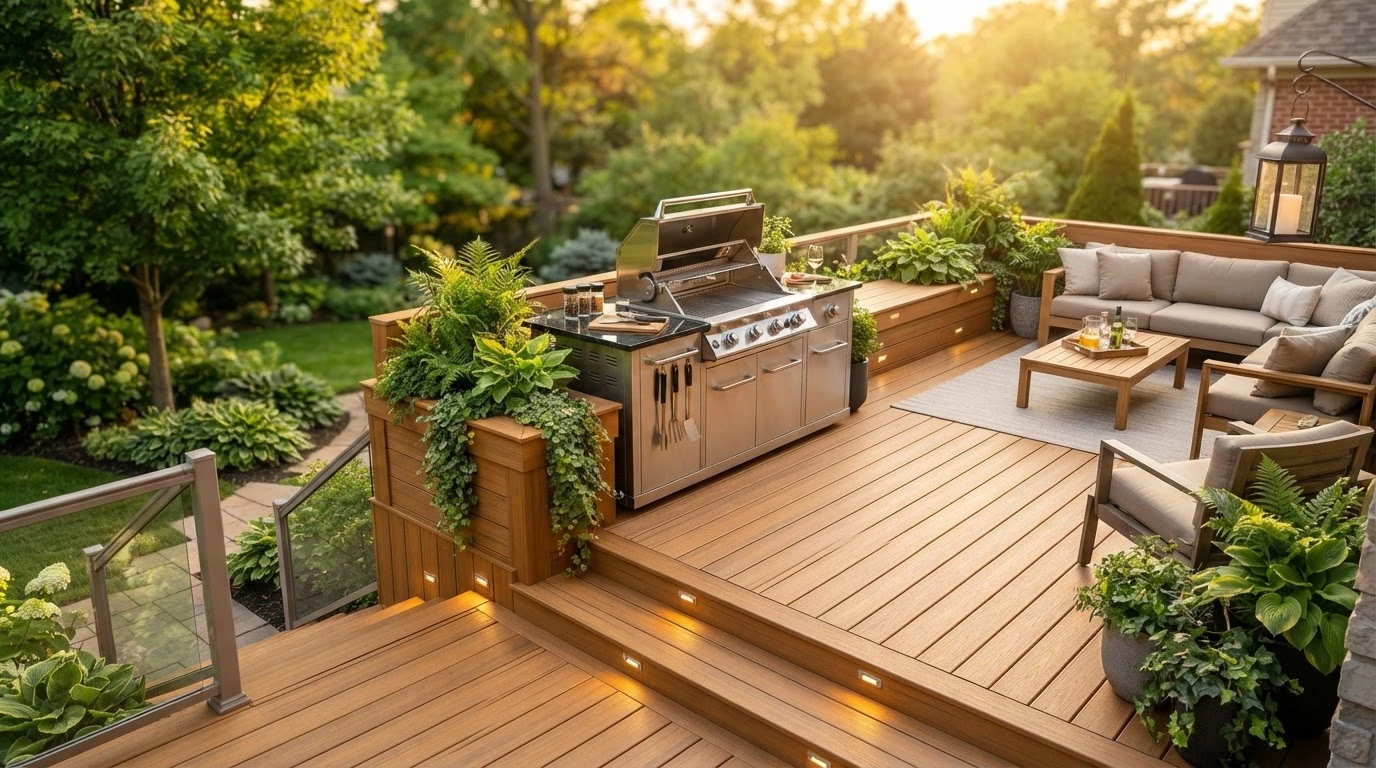
For properties with uneven terrain, limited patio space, or awkward backyard layouts, custom deck building can create a practical outdoor gathering area designed around the home's specific dimensions and surroundings.
Unlike a standard platform, a personalized deck can incorporate different elevations, integrated seating, planters, and carefully positioned stairs.
Material selection also influences maintenance requirements. Pressure-treated wood offers a traditional appearance, while composite decking generally requires less routine finishing.
Before construction, homeowners should consider drainage, structural support, permits, and how the new space connects with existing entrances.
A well-planned deck should feel like a natural extension of the house rather than an unrelated addition.
Add Shade Without Making the Backyard Feel Enclosed
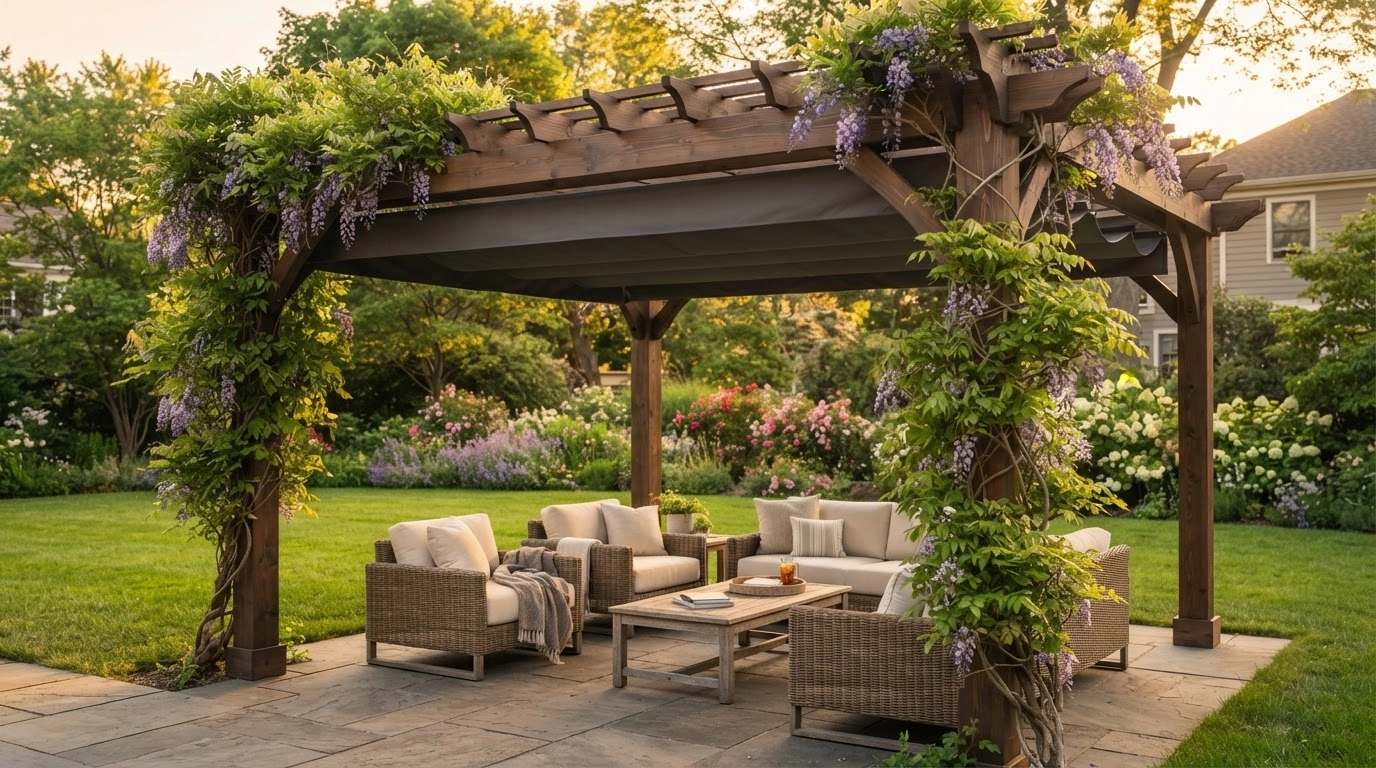
Direct sunlight can make outdoor seating uncomfortable, particularly during summer afternoons.
Shade structures help extend the hours when patios and decks remain enjoyable.
Pergolas provide partial overhead coverage and can complement different architectural styles.
Retractable awnings offer flexibility because homeowners can adjust the amount of shade throughout the day.
Covered porches provide more substantial weather protection, although their construction may require additional structural planning.
The best choice depends on sun exposure, wind conditions, budget, and how frequently the space will be used.
Homeowners should also consider whether the structure affects natural light entering nearby rooms.
Shade improvements work best when they reduce discomfort without making the interior feel unnecessarily dark.
Improve Outdoor Lighting for Comfort and Safety
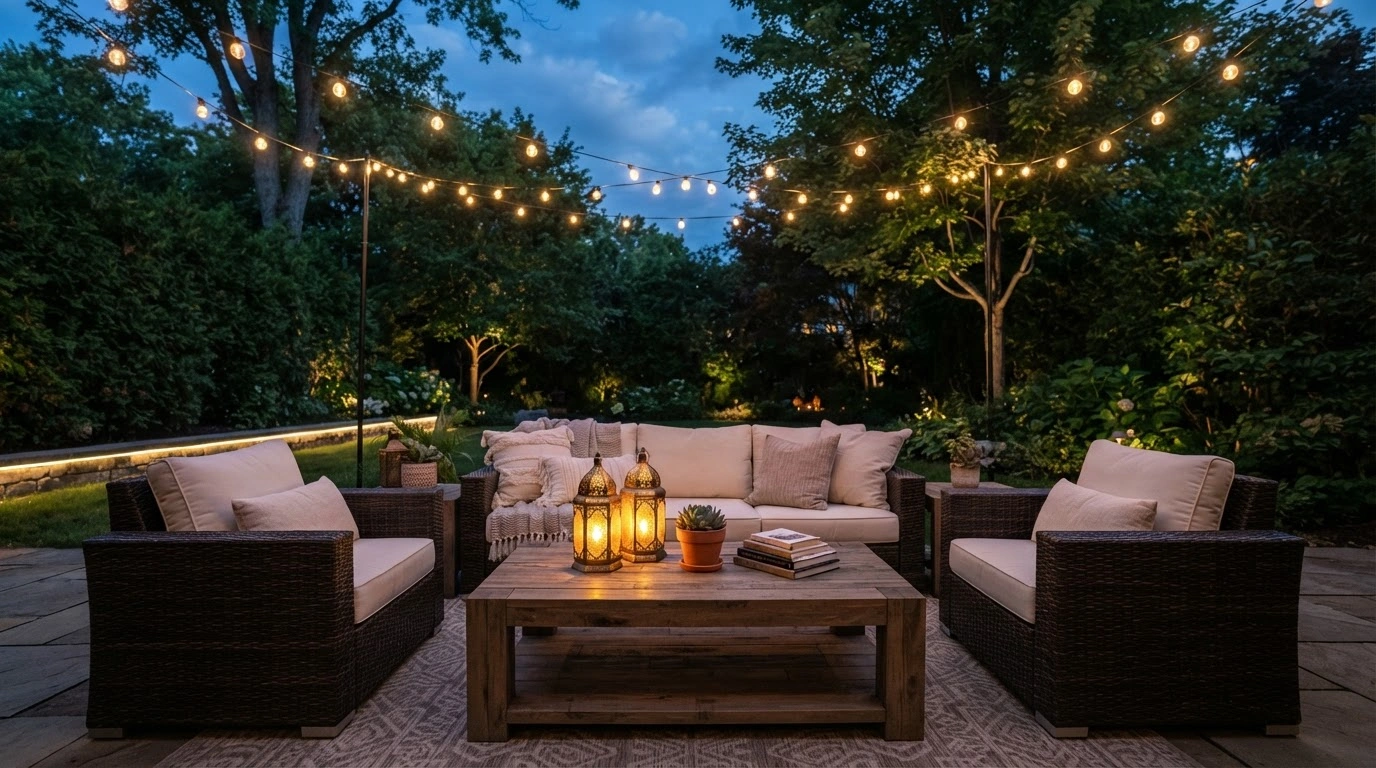
A backyard that works beautifully during daylight can become difficult to navigate after sunset.
Poor lighting around stairs, walkways, and entrances increases the risk of trips and falls.
A thoughtful lighting plan should combine practical illumination with a comfortable atmosphere.
Path lights can define walking routes, while appropriately positioned fixtures help illuminate steps and changes in elevation.
Softer lighting near seating areas can make evening gatherings more inviting.
Homeowners should avoid excessive brightness that creates glare or disturbs neighboring properties.
Energy-efficient LED fixtures can provide long-lasting illumination with relatively low electricity consumption.
Outdoor electrical installations must use suitable weather-rated components and follow applicable safety requirements.
The objective is to make the backyard functional after dark without turning it into an overly bright commercial space.
Fix Drainage Before Investing in Decorative Landscaping
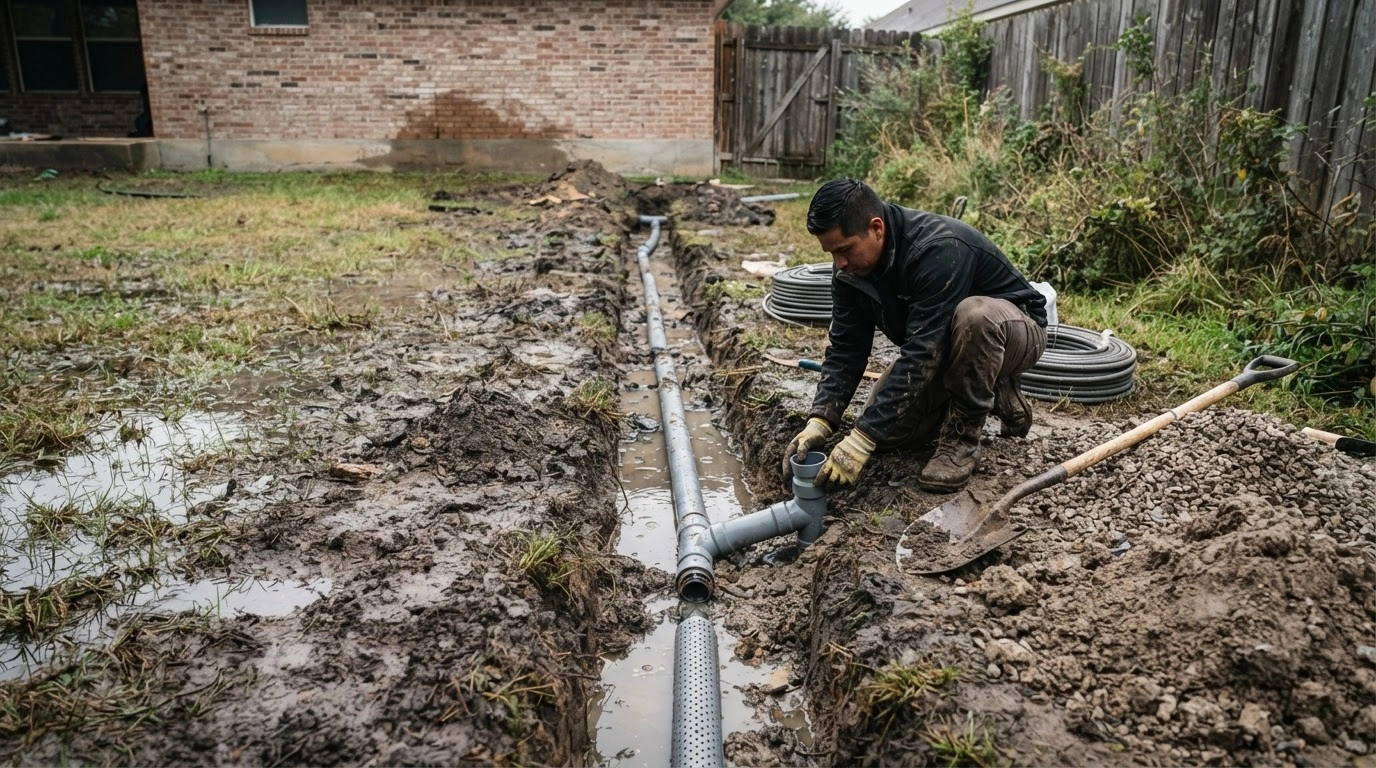
Standing water can quickly undermine an outdoor renovation.
Poor drainage may damage landscaping, contribute to soil erosion, and create moisture problems near the home's foundation.
Before installing new patios, walkways, or garden beds, homeowners should observe where rainwater collects.
Low areas may require grading adjustments, while overflowing gutters or poorly positioned downspouts can create additional problems.
Drainage improvements should direct water away from vulnerable structures without transferring the problem to neighboring properties.
Some yards may benefit from professionally designed drainage systems or landscaping features that manage runoff.
These solutions depend on soil conditions, property slope, and local requirements.
Decorative landscaping should follow essential drainage work, not conceal unresolved problems.
Addressing water movement early can protect future improvements from avoidable deterioration.
Make Outdoor Cooking More Convenient
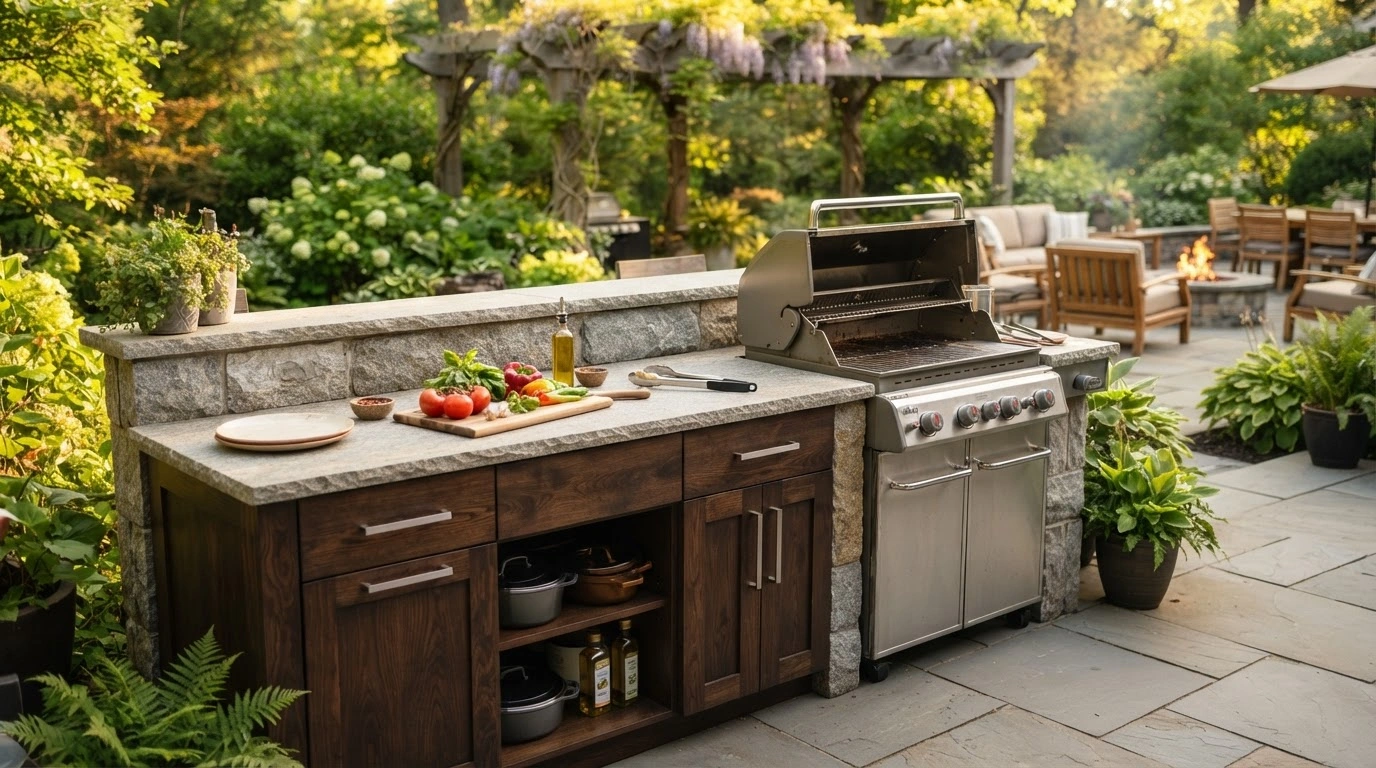
Cooking outdoors becomes frustrating when food preparation, grilling, and serving require constant trips between the kitchen and backyard.
A dedicated cooking area can improve convenience, but it doesn't need to resemble a fully equipped restaurant.
A durable preparation surface, appropriate storage, and a practical location for the grill may be sufficient for many households.
Homeowners who entertain frequently might consider additional counter space or an outdoor sink.
However, plumbing, electrical connections, and gas installations introduce additional costs and safety considerations.
Cooking equipment should be positioned according to manufacturer clearance requirements and away from combustible materials.
Outdoor surfaces must also withstand weather exposure and frequent cleaning.
A successful cooking area supports the household's habits rather than adding expensive features that receive little use.
Use Landscaping to Create Privacy and Separate Activities
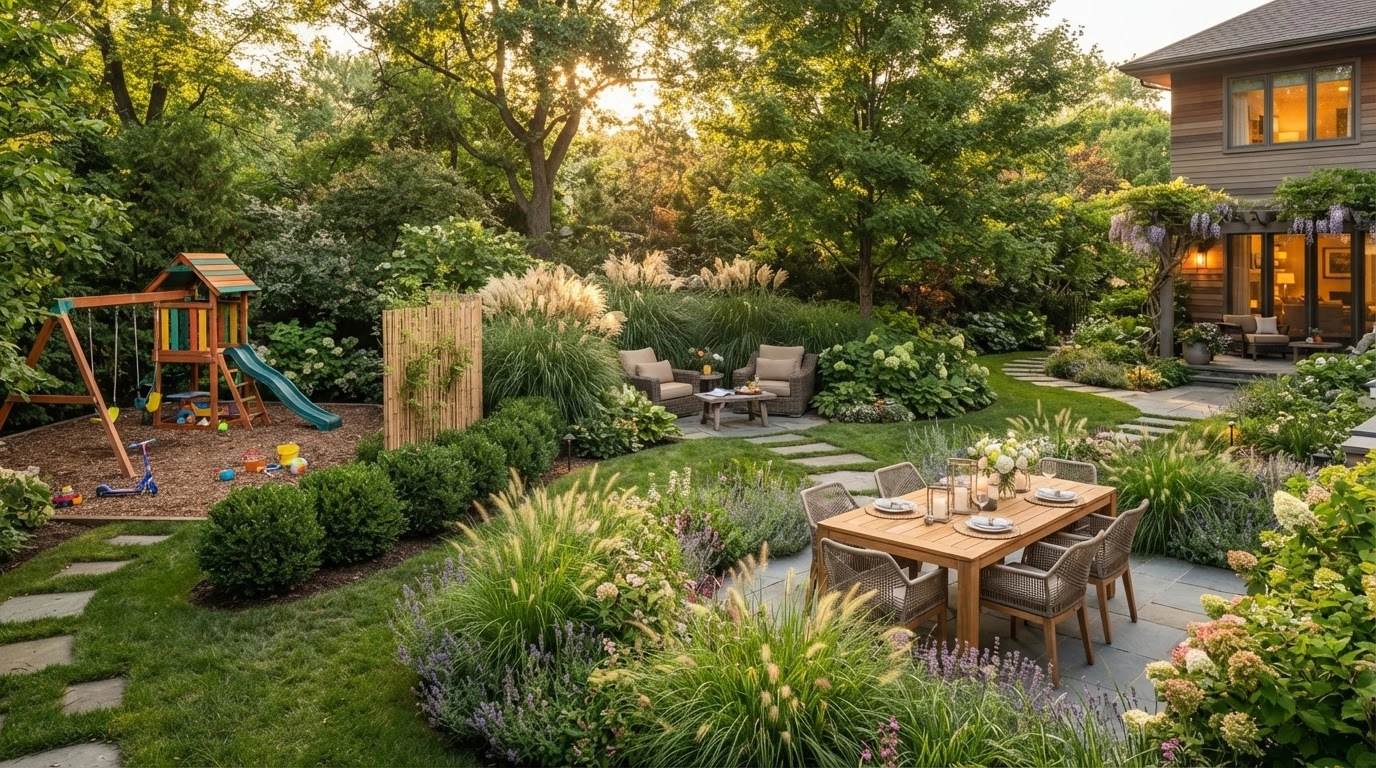
A large backyard can feel surprisingly uncomfortable when every seating area is visible from neighboring properties.
Privacy improvements can make outdoor spaces more relaxing without requiring major structural changes.
Strategically placed shrubs, ornamental grasses, and suitable trees may provide screening while improving the landscape.
Fencing and decorative screens offer alternatives where planting space is limited.
Homeowners should consider mature plant sizes, root systems, maintenance requirements, and local property restrictions.
Landscaping can also establish distinct activity areas.
A small garden might separate a dining space from a children's play area, while planting beds can soften the appearance of a deck or patio.
Thoughtful arrangements create a sense of organization without making the yard feel crowded.
Choose Materials That Can Handle Seasonal Weather
Outdoor improvements face conditions that indoor materials rarely encounter.
Rain, sunlight, temperature changes, and moisture exposure can gradually affect decking, furniture, railings, and decorative finishes.
Selecting appropriate materials helps reduce maintenance and premature replacement.
Wood structures may require periodic cleaning, sealing, or refinishing depending on the species and treatment.
Composite decking offers an alternative for homeowners seeking reduced finishing requirements, although cleaning and proper installation remain important.
Metal railings should have suitable corrosion protection, while outdoor furniture needs materials designed for weather exposure.
Structural connections and fasteners also deserve attention.
In regions with freezing temperatures, foundations and footings must account for local frost conditions.
Homeowners should compare expected maintenance requirements rather than focusing exclusively on purchase prices.
Plan Improvements Around Long-Term Value
Outdoor renovations can become expensive when homeowners pursue several upgrades without establishing priorities.
Start by identifying the problems that prevent the space from being used regularly.
For some households, insufficient shade may be the biggest obstacle. Others may need safer stairs, better drainage, or a more functional gathering area.
Address structural and safety concerns before spending heavily on decorative features.
Obtain detailed contractor estimates and clarify which services include design, permits, materials, and site preparation.
Allow room in the budget for unexpected conditions discovered during construction.
Homeowners should also consider how long they expect to remain in the property.
An improvement that supports years of family enjoyment may offer worthwhile personal value even if its full cost isn't recovered during resale.
Avoid assuming that every expensive outdoor feature automatically increases property value.
The strongest upgrades combine practical function, durable construction, and a design that complements the home.
Ultimately, a successful backyard renovation isn't measured by the number of features installed.
It's measured by how naturally the finished space fits everyday life.
When homeowners prioritize comfort, safety, and thoughtful design, an overlooked backyard can become one of the most enjoyable parts of the property.